






Why the Size on the Label Doesn’t Tell the Story
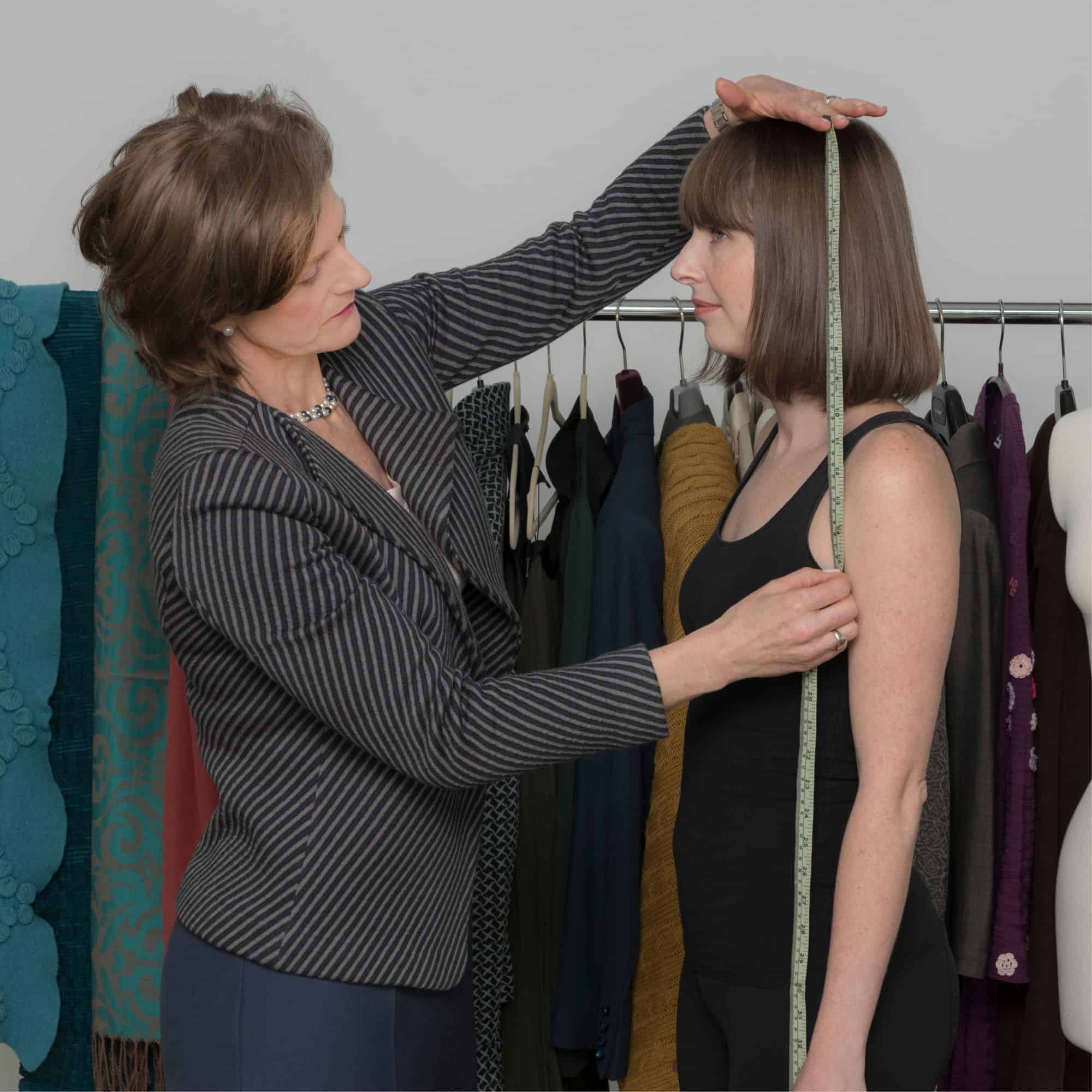
Her name was Nikki. She wasn’t a fashion model. She was our in-house fit model. Every garment we produced at Sportsgirl was designed to fit her body. Not the customer’s. Nikki’s.
At the time, I was working in fashion production, and Nikki’s proportions became the starting point for every new design. Thousands of garments, and eventually millions of customers, were measured against the body of one woman. That experience shaped the way I think about clothing and body confidence today.
Every Brand Designs for Someone
One of the biggest misconceptions people have is that clothing sizes are standard. They are not.
Every fashion label creates garments for an ideal customer with a particular body shape in mind. Some brands are cut for straighter hips, while others allow for more curves. Some work well for women with a longer torso, while others are better suited to shorter proportions.
This is why you can be the same size in one brand and struggle to fit into another.
It isn’t because your body has changed overnight. It is because the garments were designed for different body shapes.
Why Two Identical Garments Can Fit Differently
There is another factor that most people have never heard of: manufacturing tolerance.
Tolerance is the acceptable variation in garment measurements during production. For example, a size 12 waist measurement may vary by approximately 1.5 centimetres and still be labelled as a size 12.
That means you can try on two identical pairs of trousers from the same brand and find that one fits perfectly while the other feels noticeably tighter.
You’re not imagining it.
Your Body Is Not the Problem
After more than 30 years as a personal stylist, I have seen countless women blame themselves when clothes don’t fit. The reality is that most clothing simply wasn’t designed with their proportions in mind. This is one of the reasons I begin every styling journey with my Style ABC process. Understanding your Body Structure helps identify which brands, cuts, and proportions consistently work for you, making shopping easier, faster, and far less frustrating.
Instead of trying to make your body fit the clothes, learn which clothes are designed to fit your body.
When you understand that difference, shopping becomes far more enjoyable, and your wardrobe starts working for you rather than against you.
Shop for your body, not the size on the label.
❤️ your colours. Kx